The lost art of knowing your neighbors
Americans are spending more time at home, yet many have become strangers to their neighbors — especially young people, who are increasingly unlikely to socialize with those living feet away.
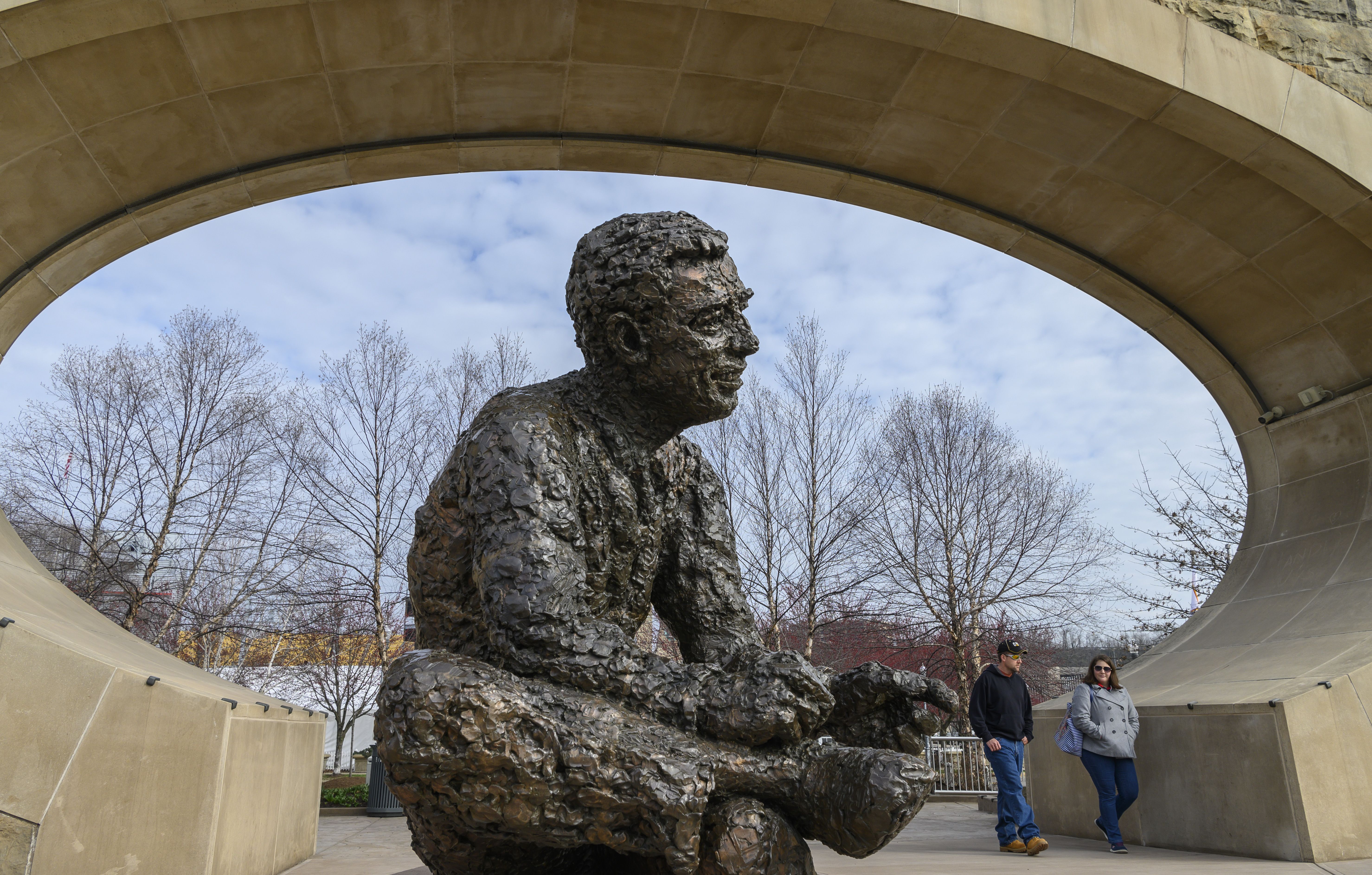
Why it matters: Pittsburgh gave the world its greatest neighbor, and the city still prides itself on its reputation for neighborliness.
Without casual conversations with neighbors, people risk becoming more isolated and dependent on algorithm-curated social circles.
By the numbers: In 2012, 51% of young Americans regularly engaged with neighbors, per a recent AEI report. Today, that number has plummeted to 25%.
💭 Our thought bubble: Pittsburghers on Reddit often ask for tips about making new friends and connecting with their neighbors.
The big picture: Beyond your backyard, groups like the Pittsburgh Social Club, Pittsburgh Girls Who Walk, and countless hobby-based organizations offer one of the fastest ways to build a social circle and a sense of belonging.
What they're saying: Daniel Cox, head report researcher and director of the Survey Center on American Life at AEI, tells Axios that many homes have become entertainment bunkers that let Americans stream, scroll, get directions, and find recommendations without knocking on a neighbor's door.
Reproduced from AEI; Chart: Axios Visuals
Between the lines: Online friends can't always water your plants, help you move furniture, or show up in an emergency, Cox added.
📬 Tell us: How do you get to know your neighbors in Pittsburgh and keep those ties strong? Email pittsburgh@axios.com with your best advice.