National gambling group takes firmer stance on prediction markets
The National Council on Problem Gambling issued a strongly worded warning Tuesday about the harms from prediction markets, taking a firmer stance on the industry following months of criticism for its initial handling.
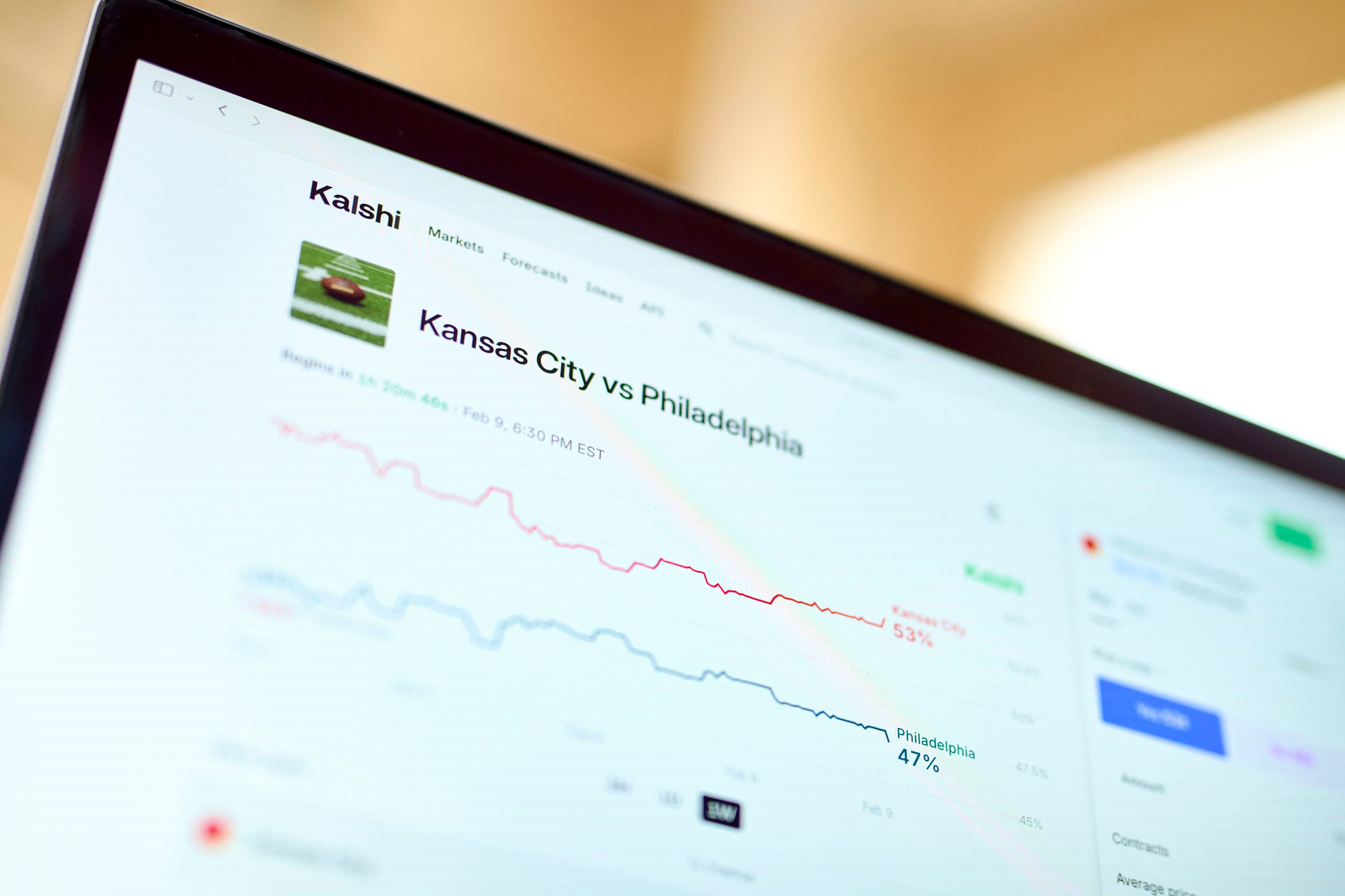
Why it matters: Kalshi joined the nonprofit in May — the first prediction market to do so — setting off concerns among some problem gambling groups over NCPG's approach to the fast growing industry.
Catch up quick: Kalshi joining NCPG — and providing $2 million in funding to support "trader health and safety" — was viewed at the time as an acknowledgment that some prediction market users engage in troubling financial behavior.
Kalshi, however, continued to refer to its user activity as "trading," not "betting" or "gambling."NCPG created a new membership subcategory for Kalshi, called financial services and trading companies — a move that stirred controversy among problem gambling watchdogs.The organization called on market participants, including prediction markets, to "build real consumer protections" into their platforms.Friction point: Multiple organizations have criticized or expressed reservations in recent months about Kalshi joining NCPG.
The Nevada Council on Problem Gambling recently exited NCPG after expressing concern over the Kalshi partnership, with executive director Trey Delap writing a letter saying the "scale and visibility of this partnership may create confusion regarding the distinction between harm reduction engagement and endorsement."In July, the Michigan Gaming Control Board — which has fought to keep Kalshi out of the state — canceled its membership with the NCPG, saying "Kalshi's characterization of its sports event contracts as investment products conflicts with responsible gaming principles, which emphasize that gambling should be viewed as entertainment rather than a financial strategy."And the Olympia, Washington-based Evergreen Council on Problem Gambling withdrew its membership earlier in September, citing NCPG's handling of the issue. It had previously sent a letter saying it was "troubled" by the Kalshi partnership and saying the prediction market "has shown little regard for consumer protections while continuing to deny its activities constitute gambling."In June, NCPG board president Derek Longmeier said in a public letter that "membership in NCPG does not constitute an endorsement of any organization or their products, services, business practices, or policy positions."
The latest: NCPG published a new statement about prediction markets on its website Tuesday.
"People are experiencing real financial, emotional, and relationship consequences as a result of prediction markets," Longmeier said in the post."The harm is not theoretical, and we cannot wait to act. NCPG exists not to litigate whether prediction markets or other emerging activities meet a legal definition of gambling, but to prevent and reduce gambling-related harm wherever it occurs."Longmeier said the "minimum" standard "for entities offering gambling and functionally gambling products" is that they will "advocate for and build real consumer protections such as responsible-engagement tools, self-exclusion options, age verification, clear risk disclosures, and direct lines to help."
What they're saying: Kalshi spokesperson Elisabeth Diana argued that all financial markets have risk, especially those with retail participation, "and it's exactly why we worked with the NCPG to create a new financial services category."
"We have industry-leading consumer protections and resources for traders, and while we disagree with the NCPG on their assessment, we welcome the dialogue," Diana said.