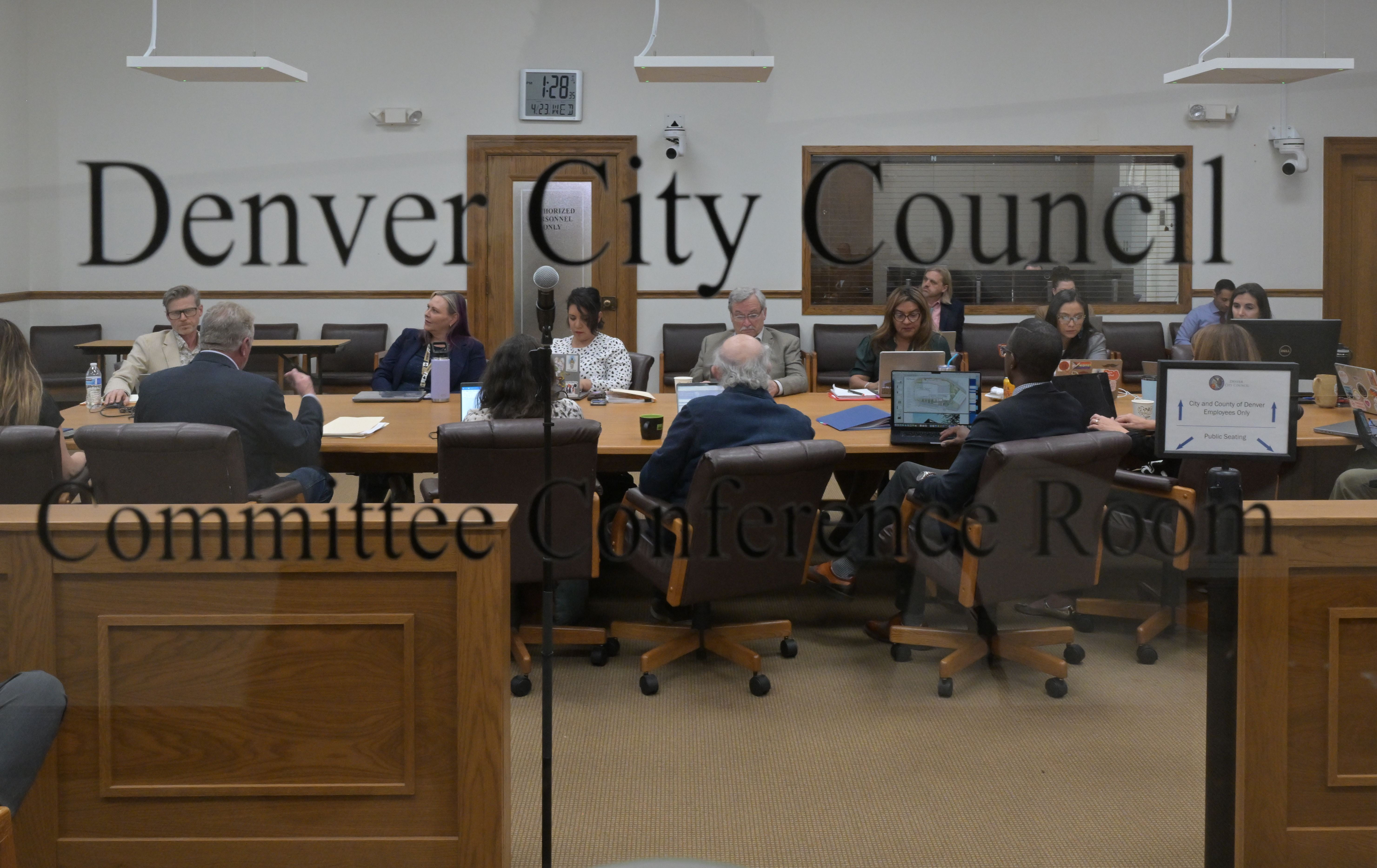
Council weighs "labor acknowledgment" for enslaved people
Denver City Council would start meetings with a statement recognizing the forced labor of enslaved Africans and their descendants under a new proposal.
Why it matters: The proposed "labor acknowledgment" is forcing Denver's elected officials into a public debate over how governments should reckon with one of the country's original sins and whether statements are enough.
State of play: Councilmember Shontel Lewis, who is Black, initially introduced the idea last fall.
Between the lines: The proposal mirrors a land acknowledgment adopted in 2020 recognizing the Indigenous people who first inhabited Denver while pledging to fix inequities.
Yes, but: Critics argue acknowledgments can be performative. The New York Times recently published a guest essay by a member of a North Dakota tribal nation criticizing the practice.
Between the lines: The draft statement condemns slavery, transatlantic trafficking and racial segregation, saying these practices continue to shape social, legal and economic inequities.
Flashback: Slavery existed in what is now Colorado before statehood, news reports show, even though soldiers from the preceding Colorado Territory fought alongside free states during the Civil War.
What's next: Council delayed a vote until Aug. 11 to consider revising or expanding the statement.