Heartland Whole Health Institute tests ways to expand health care
The Heartland Whole Health Institute wants to create playbooks for making health care more affordable and accessible that other institutions can follow.
Why it matters: Most Americans are concerned about affording and accessing health care, and rural states like Arkansas face unique struggles in reaching patients.
Zoom in: The institute connected Mercy Health System with the Boston Mountain Rural Health Center to offer some telehealth services in cardiology in areas the center was serving that didn't have access to specialty care.
Catch up quick: The institute is a resource hub for health care policy, education and delivery and seeks to identify problems, convene the right partners and come up with solutions, Lappin and president Claude Pirtle told Axios.
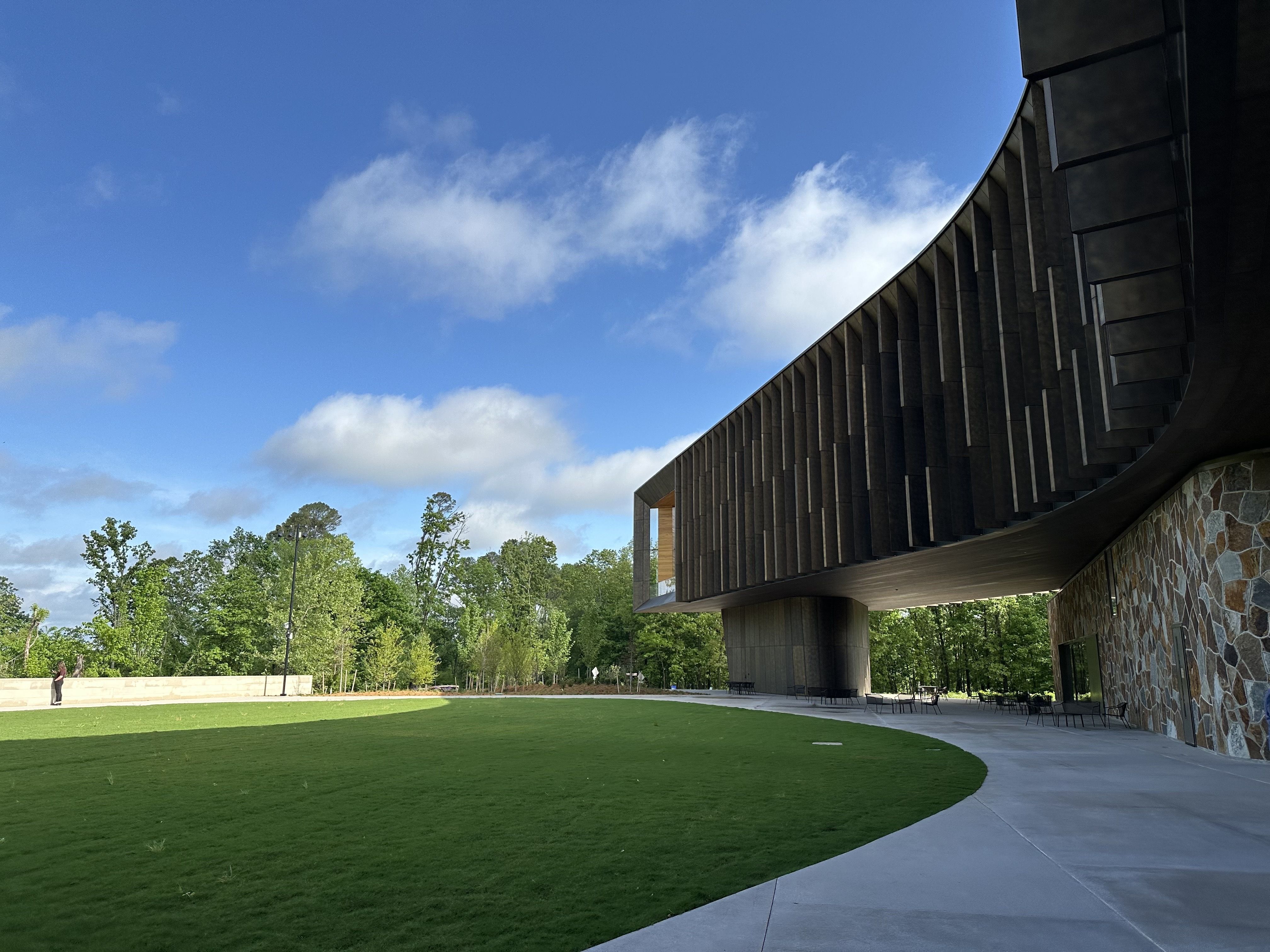
Context: The Heartland Whole Health Institute and the Alice L. Walton School of Medicine on the Crystal Bridges campus in Bentonville are both part of Walton's "whole health" initiatives, which emphasize physical and mental health, preventive care and healthy lifestyles.
State of play: The institute recommends value-based health care systems — where providers have agreements with insurance companies and get paid based on patient outcomes — rather than fee-for-service models, where providers are paid based on visits, tests and procedures, Lappin and Pirtle told Axios.
Case in point: The Heartland Whole Health Institute recently launched a technical assistance center to help organizations interested in launching or growing medical residency programs navigate government funding and conduct feasibility studies.
Flashback: The Legislature in 2025 passed Act 269, joining most states in the Interstate Medical License Compact, an agreement that allows doctors to practice in multiple states.
What's next: The institute plans to dig more into preventive issues that affect health.