Axios House: The fight over FI's remote audience
CANNES, France — Only 1% of Formula One fans will ever attend a race in their lifetime — and the brands, broadcasters and drivers scrambling to reach the other 99% are just getting started, industry leaders said at Axios House Cannes.
Why it matters: Drive to Survive helped turn a niche European motorsport into a global cultural phenomenon and opened a commercial opportunity that nobody has fully cracked yet, said McLaren Racing CMO Louise McEwen.
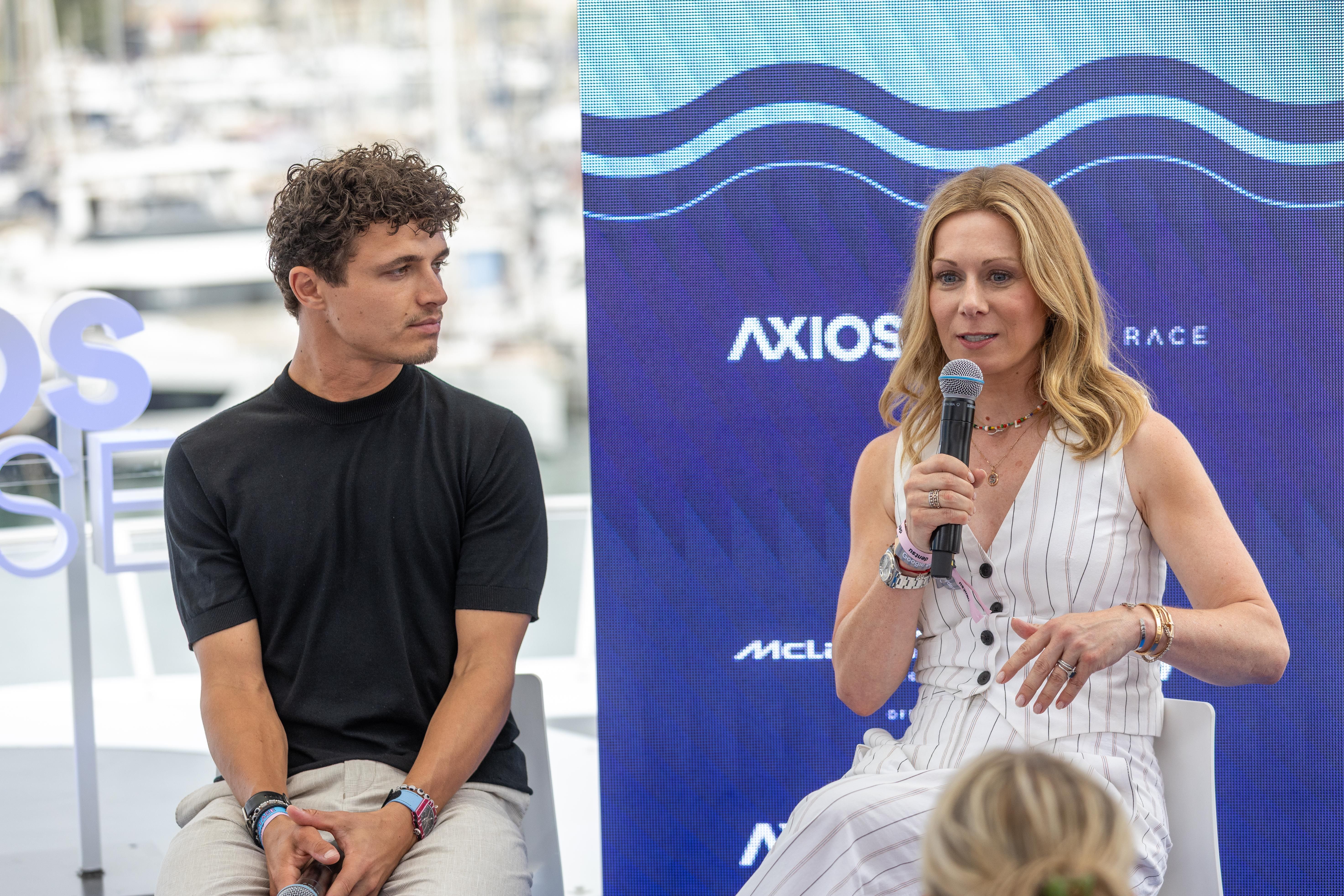
Axios' Sara Fischer and The Race Media's Darren Cox moderated discussions with McEwen, Netflix president of advertising Amy Reinhard, and Lando Norris, McLaren F1 driver and 11x Grand Prix winner. The June 24 event was sponsored by Allwyn and CNBC.
What they're saying: Netflix aired its first live F1 race this year and will offer its ad-supported tier in 27 countries by 2027, Reinhard said — up from 12 today.
Between the lines: McLaren Racing is 100% funded by partners — not a car brand or a beverage company — which makes winning a commercial obligation, not just a sporting one, McEwen said.
Yes, but: Reaching fans who will never attend a race requires something TV alone can't deliver — emotional connection, McEwen said.
The bottom line: F1's fandom is global, passionate and mostly watching from home. "There's no shortage of stories for us to tell in this sport," McEwen said. The race now is to reach them before someone else does.
Content from the sponsors' remarks:
CNBC Versant president KC Sullivan said the network has partnered with McLaren since 2018, drawn by the sport's wealthy business decision-makers — and has since shifted to covering the sport as an investable asset class.
Allwyn global chief brand and marketing transformation officer Tatiana Vivienne-Jouanneau said F1's live format is a rare commercial advantage.